

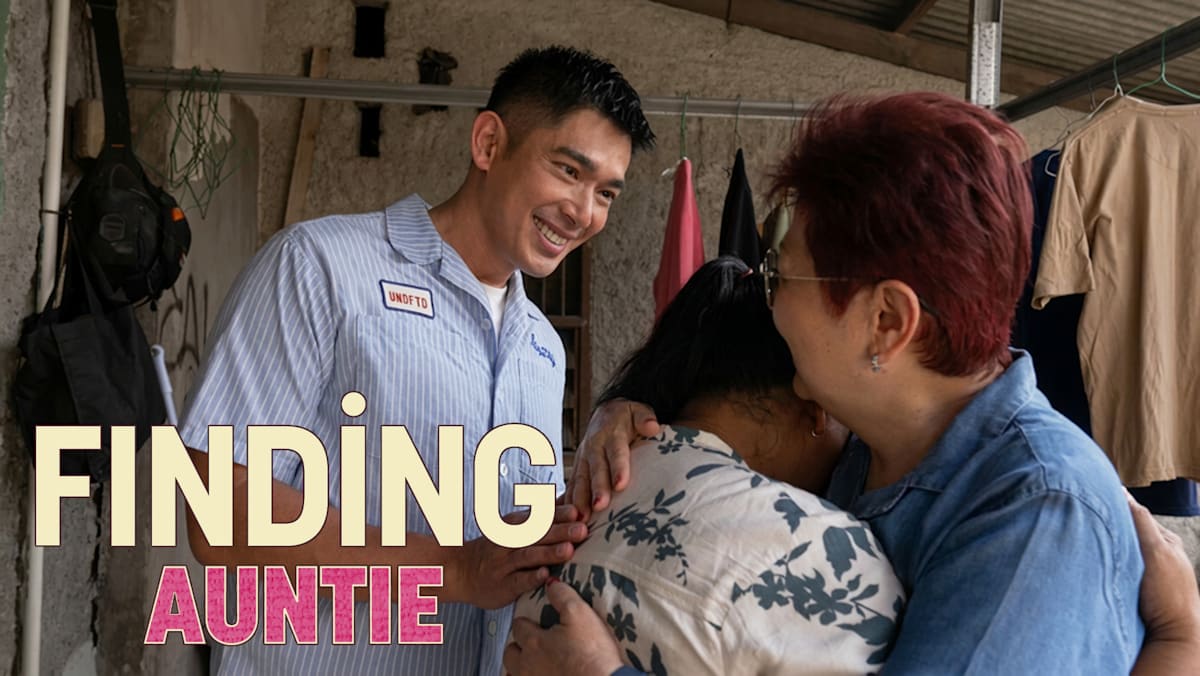
 ▶ Watch on CNA
The strongest employer–helper relationships are not created by sentiment alone. They grow when both people are treated with dignity, expectations are clear and everyday actions build confidence over time.
A CNA story about a connection that lasted
In CNA's On The Red Dot: Finding – Auntie, actor Elvin Ng and his mother travel to Indonesia to reunite with Jumi, their former domestic helper. CNA describes how Jumi supported the family through important and difficult years, and how the relationship continued to matter long after her employment ended.
Watch the full episode directly on CNA ↗
Editorial note: This is an independent editorial example published by CNA. The people featured are not presented as Jans Maid clients, and the link is shared for education and discussion—not as an endorsement or partnership.
Start with a clear and fair working relationship
A helper needs an honest picture of the household, duties, care needs, working rhythm and living arrangements before employment begins. Employers should also understand the helper's experience, communication needs and concerns. Mutual clarity is more dependable than assuming that goodwill will solve every mismatch.
- Describe the actual job scope instead of minimising difficult duties.
- Confirm salary, rest arrangements and important household rules clearly.
- Separate essential safety instructions from personal preferences.
- Give the helper a genuine opportunity to ask questions and raise concerns.
Build trust through ordinary days
Trust usually grows through small, repeated actions: keeping promises, explaining changes, giving constructive feedback privately and acknowledging effort. Employers do not need to avoid standards or difficult conversations. The important difference is whether those conversations protect dignity and lead to a clear next step.
Respect must include boundaries
Describing a helper as “part of the family” can express affection, but it should never blur employment responsibilities. A healthy relationship still protects agreed duties, rest, suitable accommodation, privacy, personal time and access to support. Inclusion should not become pressure to accept extra work or remain constantly available.
Appreciation can outlast employment
Not every employment relationship will become a lifelong friendship, and it should not be judged by that standard. A successful relationship may simply mean that both parties were treated fairly, communicated honestly and completed the employment with mutual respect. When a deeper bond does develop, the CNA story shows why gratitude and recognition can remain meaningful many years later.
What Jans Maid encourages
We encourage employers and helpers to begin with realistic matching, discuss expectations openly and seek help early when communication becomes difficult. Respectful employment is not one grand gesture; it is the result of fair arrangements and thoughtful choices throughout the working relationship.